

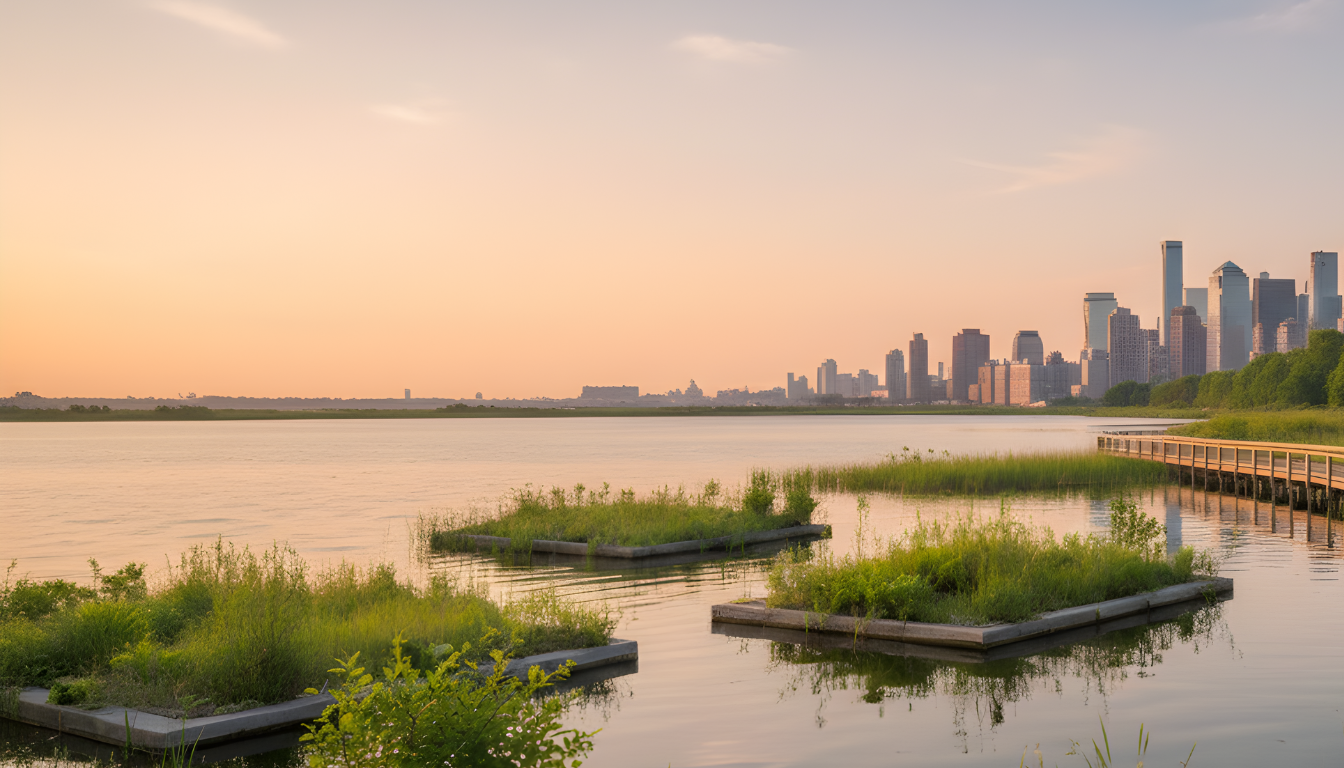
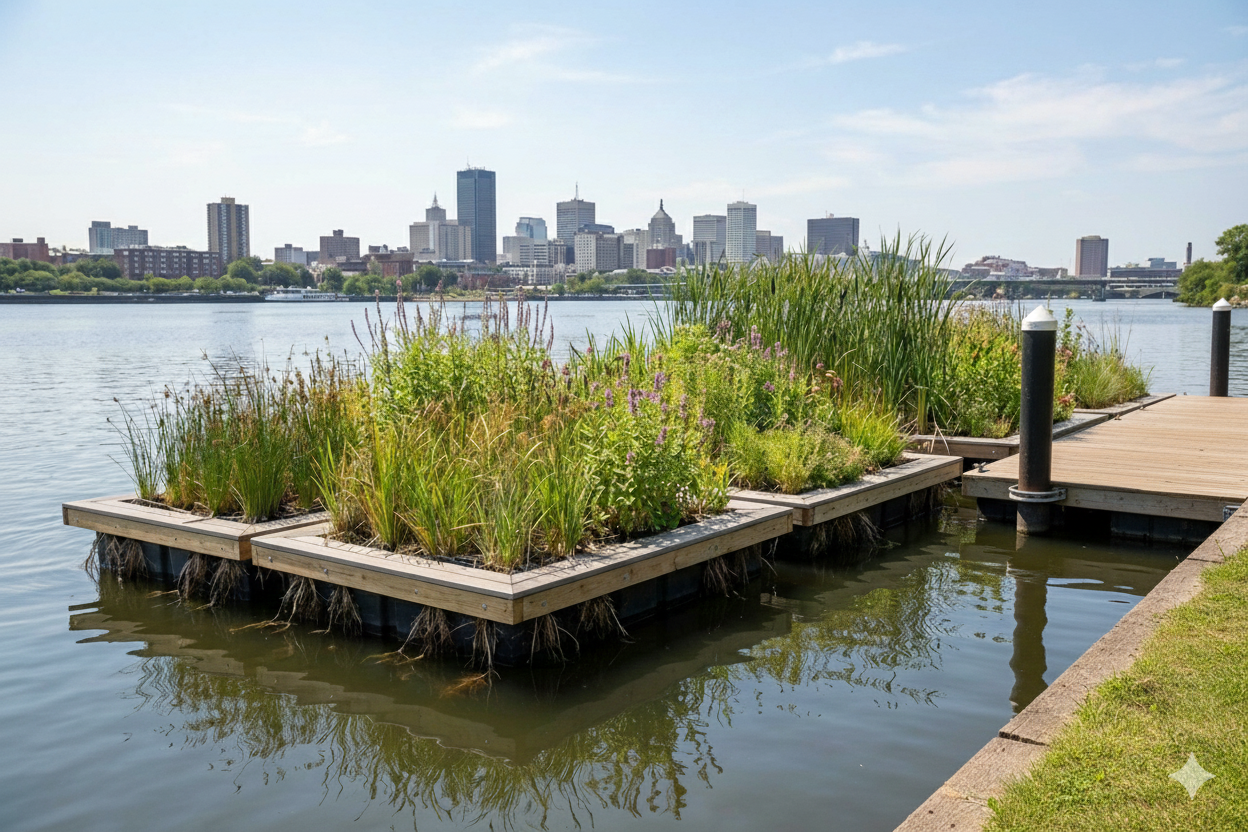
Floating Wetland Prototype
Water filtration platforms built for habitat regeneration.
Human Well-Being & Responsible Innovation
To use AI to heal ecosystems, support human well-being, and guide innovation toward improving life on Earth. We are building the River Veins initiative, floating wetlands, and active restoration prototypes that make waterway recovery visible and measurable.
River Veins prototypes aligned with the restoration network in active development.
Water filtration platforms built for habitat regeneration.
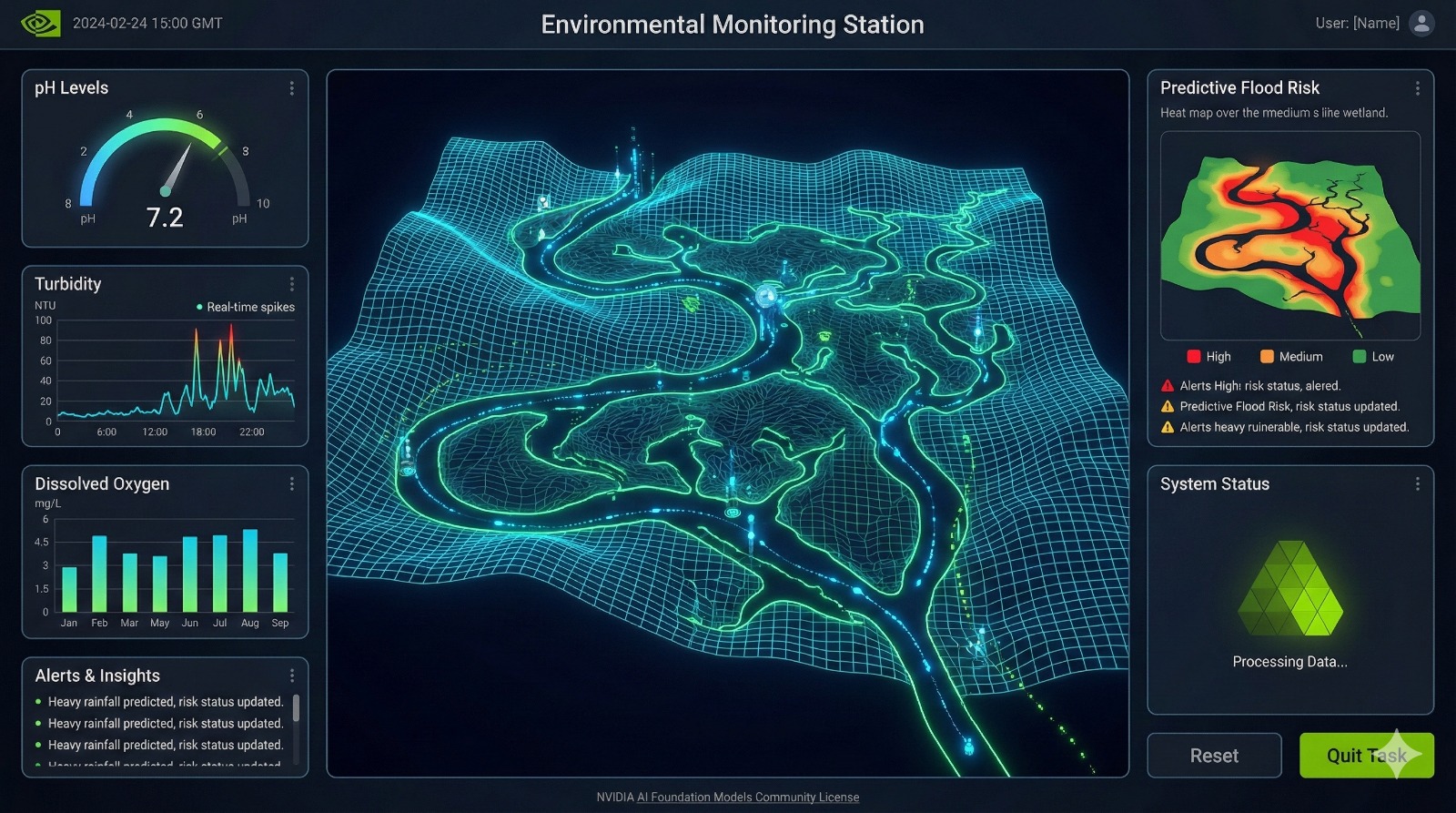
3D ecosystem modeling for planning and visual impact.
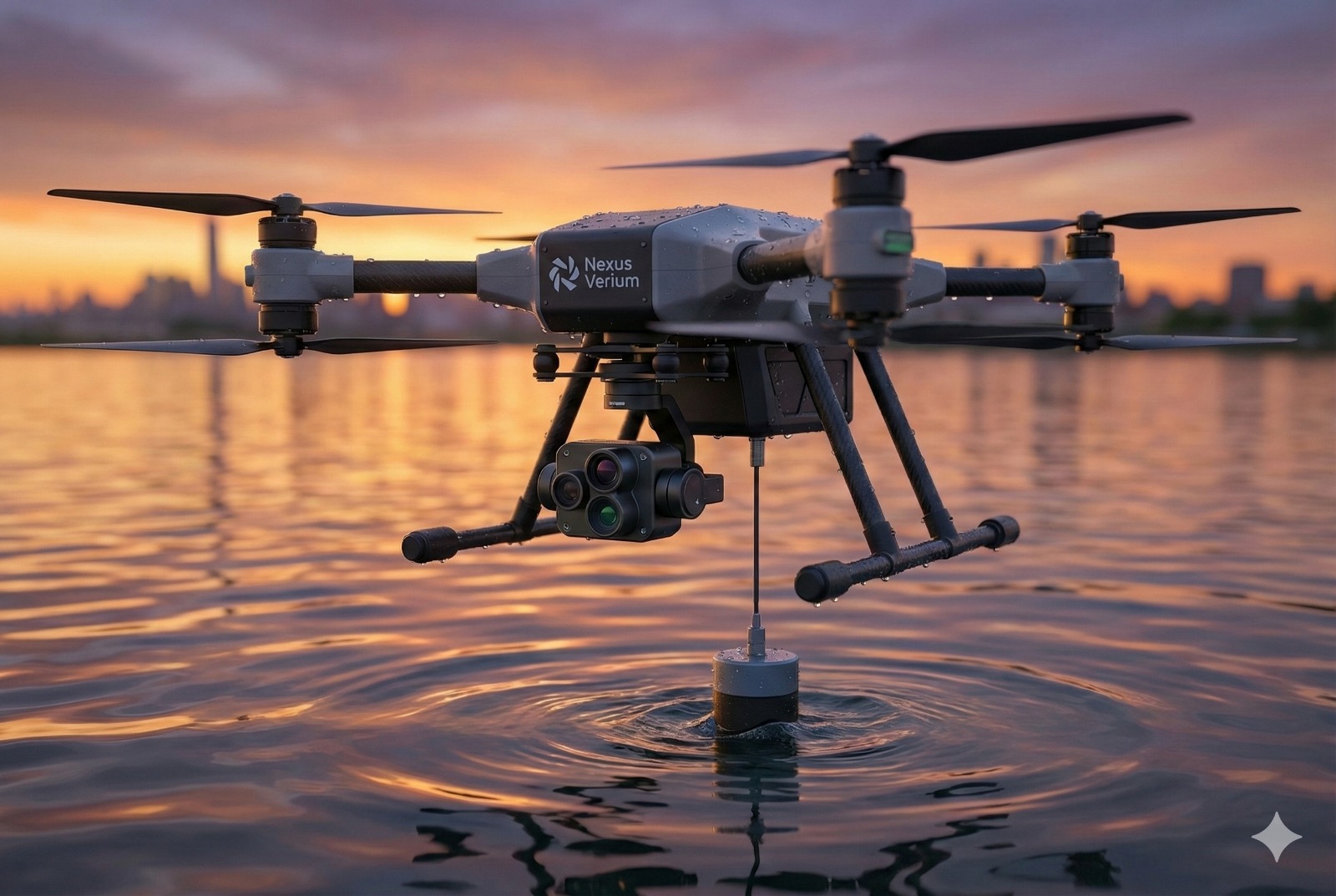
Aerial and surface monitoring for real-time insights.
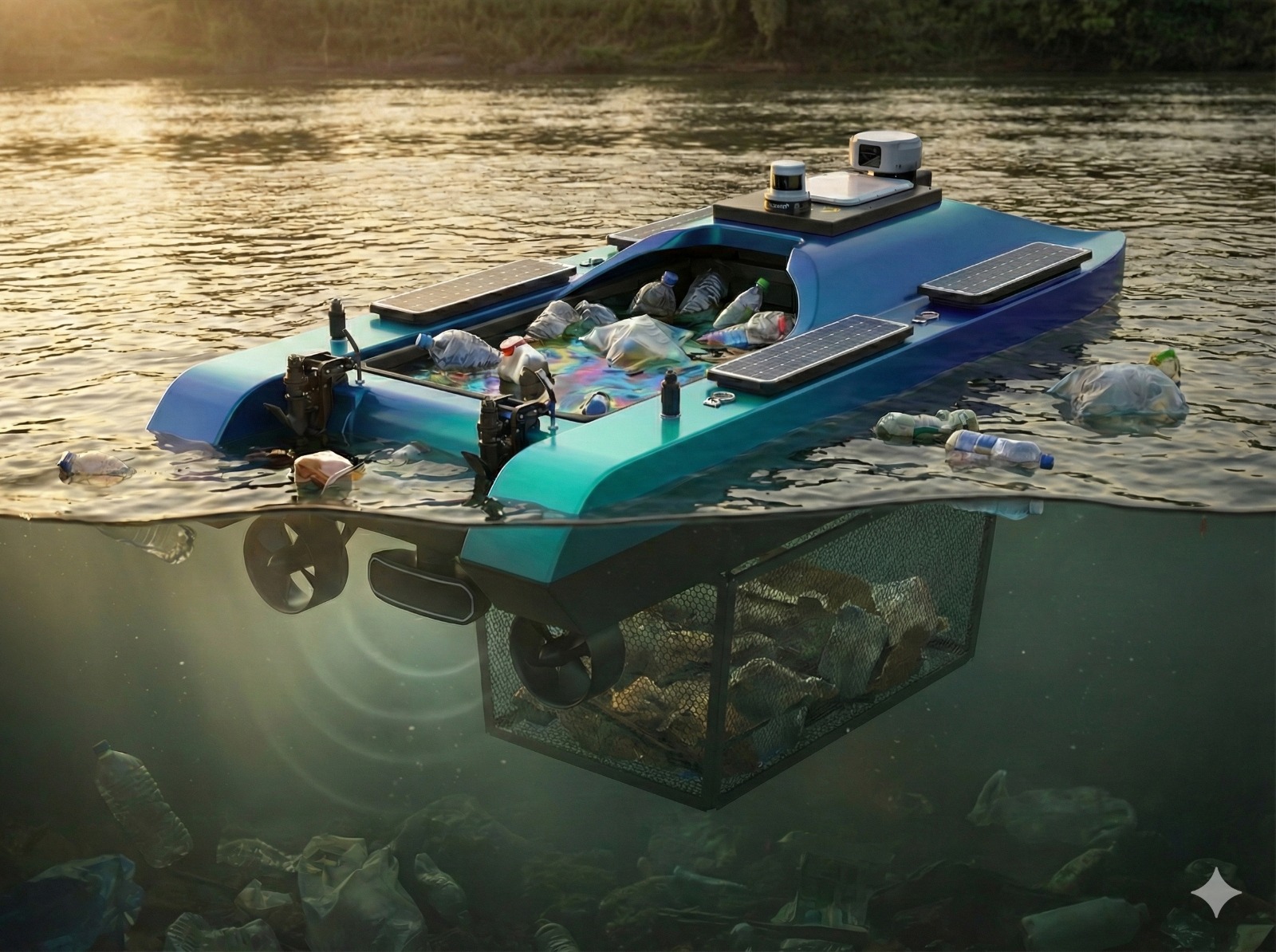
Targeted debris removal around restoration zones.
Floating wetlands, the River Veins initiative, and active restoration prototypes are front and center.
Product
Living platforms that filter water, regenerate habitat, and anchor visible restoration.
Product
A monitoring and healing network that treats waterways as living systems.
Product
Digital twin models, sensors, drones, and cleanup systems in active development.
River Veins is the main initiative behind Nexus Verium's environmental restoration efforts. The concept is simple: rivers act like veins in a body, delivering nutrients and balance to ecosystems. When rivers are polluted or blocked, the whole system suffers. River Veins aims to restore this balance by treating waterways as living systems that can be observed and healed.
Guiding Principle
If our rivers are polluted, then so are we.
System Architecture
River Veins is a connected network of restoration technologies that work as a cohesive system, including:
More advanced environmental restoration technologies are constantly being researched.
Together, these elements enable continuous learning and environmental response.
Research + Roadmap
River Veins is in active research and is focusing on:
It is designed to evolve. As research progresses, the system will incorporate advanced environmental restoration techniques introduced carefully and incrementally, allowing the network to grow smarter over time without overwhelming ecosystems or communities. AI is used as a learning tool, studying conditions, adapting strategies, and improving restoration outcomes through continuous feedback from the environment itself.
Our mission is to restore waterways and make them healthier and more accessible for humanity in the future, so communities can reconnect with water safely, and restoration becomes something people can see, learn from, and support.
Nexus Verium is continuously building and expanding its environmental restoration systems through research, modeling, and prototype development.
What's Coming
AI Meadowlands Digital Twin
A virtual model of the Meadowlands ecosystem used to study water conditions, test restoration strategies, and visualize long-term impact before physical deployment.
Floating Wetland Expansion
Next-generation floating wetland systems designed to adapt to changing water conditions and support long-term ecosystem health after prototype success.
Autonomous Cleaning Robots
Targeted cleanup systems designed to remove debris and surface pollution around restoration zones and floating wetlands.
Environmental Monitoring Drones
Drones used to monitor waterways from above and at the surface, helping detect pollution, debris, and ecosystem changes.
Advanced Sensor Networks
Expanded sensor systems that continuously measure water quality, flow, and environmental conditions.
Each system learns from the environment and improves over time, becoming part of a connected restoration network.
River Veins Initiative
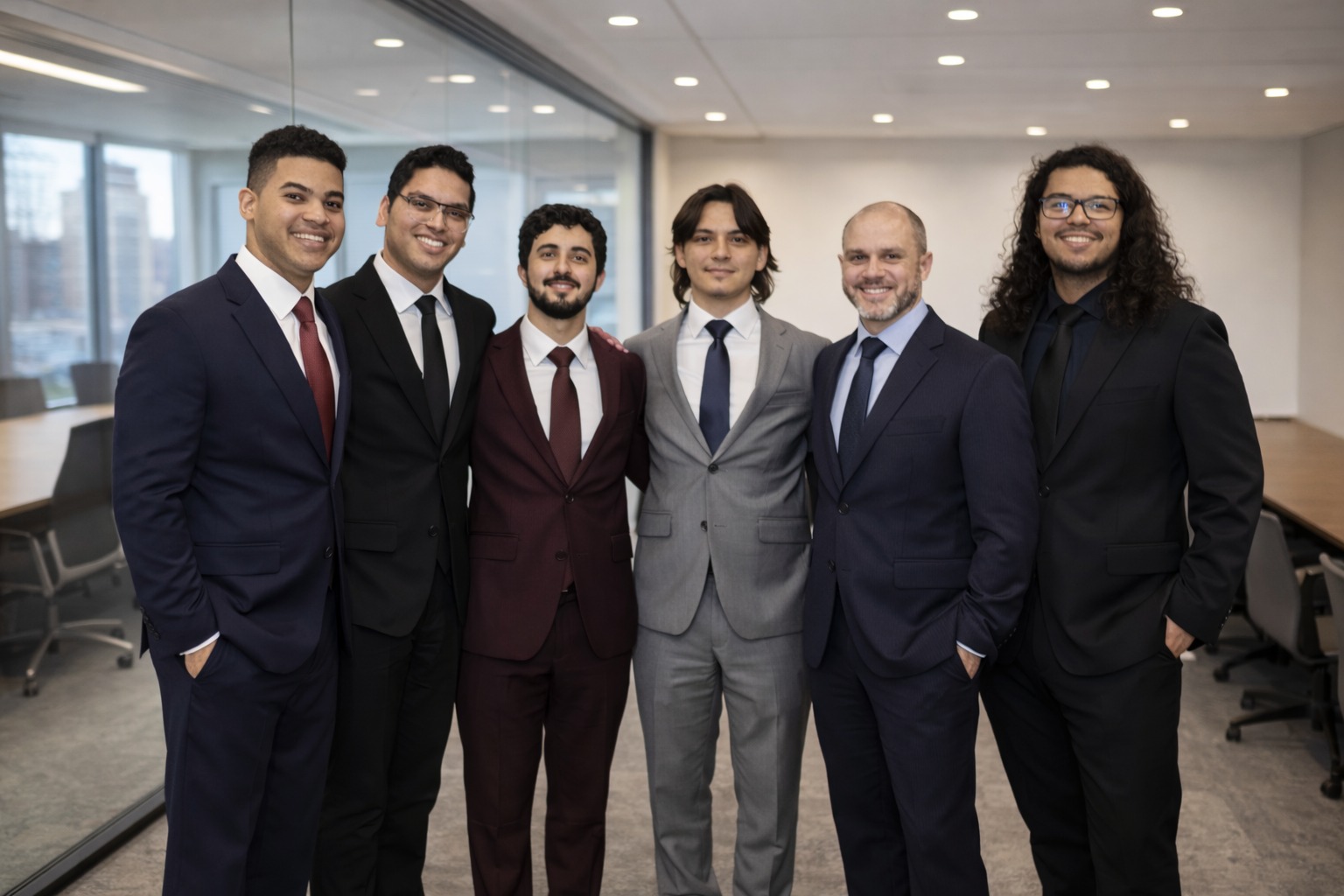
Nexus Verium Field + Research Team
Our team is building River Veins as a living system, developing the floating wetland prototype, modeling the Meadowlands, and aligning monitoring, drones, and cleanup systems into one coherent restoration network.
Meet the teamEnvironmental Restoration Systems
Read moreAI-inspired tools and ideas to enhance innovations in physical restoration systems aimed at improving water quality, regenerating wetlands, and supporting resilient ecosystems. This service focuses on real-world environmental intervention, combining ecological design with intelligent monitoring and planning.
Environmental Intelligence & Digital Twins
Read moreTransforming environmental data into clear, actionable insight for planning, monitoring, and restoration decision-making. This service provides the intelligence layer behind restoration projects, allowing teams to study systems, test strategies, and reduce risk before physical deployment.
Human Well-Being & AI Integration
Read moreExploring how AI can support mental well-being, emotional clarity, and healthier human interaction with technology. This work focuses on using AI as a supportive, accessible tool that helps people slow down, reflect, and navigate complexity.
We stay focused on the partners most aligned with our restoration mission.
As Nexus Verium grows, our human well-being and AI integration work may extend into healthcare, education, and small organizations aligned with our mission.
To use AI to heal ecosystems, support human well-being, and guide innovation toward improving life on Earth.